UEFA Euro Cup 2004
How weather affects football
 Will the English squad suffer under the hot Portugal sun or will we be catching a rare wet day? However, stay up-to-date, with WeatherOnline's Euro 2004 venue weather forecast.
First of all, weather has a huge impact on the game of football. If you haven't been paying attention to it, you've been missing out on a lot of the rationale of why games end up the way they do. Here are a few of the weather highlights to keep in mind when analyzing football games:
Bad weather tends to equalize mismatched opponents. The underdog has a much better chance of keeping the game close or even knocking off the favorite in foul weather. Part of the reason for this is there are more bad passes in bad weather games, and bad passes are the ultimate wild card, usually determining which team wins the game.
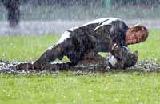 However, technically superior teams will have less disadvantage on a windy day as their passing and kicking will be more accurate than of technically inferior teams. This applies also for teams with good short passing skills.
Bad weather generally means defensive battles and low scores. Players are usually trying to limit the risk of injury related to wet grass ground by playing more defensive and reducing the speed during a rain match.
Favor a team playing in its element vs a team playing a team out of its element. The English players in 15°C weather would have a distinct advantage over the team from Greece. Likewise, the Greeks would have an advantage against the Latvians on a very hot, dry day. In general, the better-conditioned team will fare better on a hot, humid day.
Cold weather generally hinders the passing game, giving advantage to the team with a superior running game.
These are only some few points, but by paying attention to the expected weather conditions and applying the above principles, you will gain significant skill at predicting the outcome of football games.