Dresden Flooding
Bracing for the worst
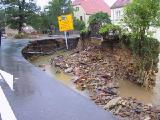 DRESDEN - The Elbe river through the eastern German city of Dresden was expected to rise to new levels Thursday as the authorities reported a 13th victim of the floods. Thousands of soldiers, rescue workers and volunteers are working round the clock trying to stem the tide that has left parts of this historic city under water. Overnight, the German army began airlifting 170-200 intensive care patients from hospitals in the area because of the dangers of flooding and electricity failures.
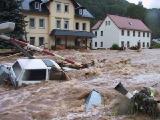 A decision was expected later Thursday on whether to airlift less critical patients, too, in an operation that is involving helicopters, an Airbus and two army transport planes. Several tens of thousands of other people have already been evacuated from their homes in the state of Saxony and Dresden, its capital. The latest victim was a 52-year-old man found drowned late Wednesday in his house, whose first floor is under water, Saxony authorities said. It brings to 13 the number of deaths across the country, including nine in Saxony alone, in less than a week since torrential rains caused the floods.
 Several other people are still missing, Saxony's regional interior ministry said. According to forecasters, the Elbe was expected to swell to four times its normal summer levels by late morning Thursday, threatening new floods. Part of the rise is because of the high water levels elsewhere, notably in the neighbouring Czech Republic, making their way down river.
Around 1,500 humanitarian workers were en route to Saxony from the southern state of Bavaria to help in rescue operations, particularly the evacuation of the sick, the Red Cross said. The situation in Bavaria, the other region badly hit by the floods, seemed to be easing. In Regensburg, the Danube was down half a metre (1.6 feet) from late Wednesday.
In Deggendorf, near the Austrian border, the water level was rising but not expected to burst its banks. However, there are fears that parts of the central states of Saxony-Anhalt, Thuringia and Brandenburg, around Berlin, could be affected. Authorities in Brandenburg have asked people in 46 villages to prepare for possible evacuation, and in Prignitz expect water levels to pass a record set in 1938 -- 65,000 sandbags are to shore up dykes.
The German government has promised several hundred million euros in aid for flood-stricken areas, including 100 million (99 million dollars) in immediate help for those who have lost homes and livelihoods. Chancellor Gerhard Schroeder, who on Wednesday travelled to Saxony to see the damage at first hand, described it as "catastrophe" and appealed for national solidarity.
Copyright 2002 AFP & Weatheronline