Hurricane - not Hurricane
Storm in Scandinavia
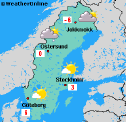 STOCKHOLM, (AFP) - Hurricanes swept across Scandinavia on Thursday, halting all port and ferry activity and severely disrupting rail traffic, Swedish press agency TT reported.
In Swedish Lapland, violent winds reached 126 kilometers per hour (78 miles per hour) -- enough to be called a hurricane, said Sten Laurin of Sweden's National Meteorology Institute . Well, dear colleague, not exactly.
By definition the word hurricane itself originates from the Spanish huracan and the term was adopted by Spanish seaman from the Taino language, where hura means wind. By international convention the tem is used for a tropical cyclone that occurs in the Atlantic, Carribean or eastern Pacific. A very similar type of storm is called typhoon (in Asia) and no meteorologist would dare to state that there was a typhoon sweeping across Scandinavia, global warming notwithstanding.
Another way of measuring and describing wind force is the good old Beaufort Wind Scale , based on century-long observations and experience. Hurricane force winds, tagged with Beaufort number 12, are present as the sustained wind speed is exceeding 64 knots (or 74 mph). The effects at sea are devastating: Air is filled with foam; the sea is completely white with driving spray and the visibility is greatly reduced. On land the effects are simply described by violence and destruction and many Carribean and Florida residents only know too good what this means in reality.
Yes, violent storms with hurricane force winds might batter Europe once after a while - as Michael Fish was knowing, but hurricanes or typhoons itself never will.