Weekly Outlook : 31/03/03-06/04/03
Settled At First & Again By Weekend, Rain Mid-week.
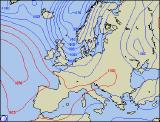 Monday 31/03/03 to Tuesday 01/04/03
High pressure will maintain settled conditions on Monday across many parts of the country. From dawn, long sunny spells or unbroken sunshine will be had once any morning mist or fog has cleared. It will be another warm day inland, with highs reaching 15°C to 17°C across central England, cooler on the coasts. During the evening, westerly winds will pick up across the north-west together with thickening cloud. This heralds a change for Tuesday, as a cold front sweeps south-eastwards. Spells of heavy rain in the north will be accompanied by gale force winds, although the rain will become lighter as it moves into the south-east by evening. A cooler day, with highs of 12°C to 14°C with winds swinging round to the north-west in the north later dragging in blustery showers.
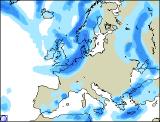 Wednesday 02/04/03 to Thursday 03/04/03
Remaining rain will clear the south-east early Wednesday, then all parts will be in a bright but cool north-westerly airflow. Scattered showers will plague the north-west, wintry over high ground, and during the day bands of showers will work their way southwards. Much cooler, with highs of only 11°C in the south, 6°C in the north. Winds will gust to gale force in the north-east at first, but will decrease later. Further cloud and rain will spread into the north-west overnight and into Thursday, although it will weaken rapidly as it moves inland. Thereafter many parts will become dry as high pressure re-establishes from the west. Southern and eastern parts will have a bright day, and winds will slowly decrease in the south-east.
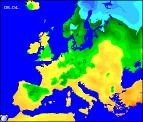 Friday 04/04/03 to Sunday 06/04/03
We're fairly confident that high pressure will become dominant once again by Friday, ending a spell of what was the first rain for many weeks in some areas. Clear, sunny days will lead into cool nights, with fog and ground frost becoming an increasing commonplace over the weekend. There may be more cloud around in the far north as fronts brush by, but on the whole another glorious weekend in prospect with temperatures on the rise again during daylight hours.